- Out-of-Stock
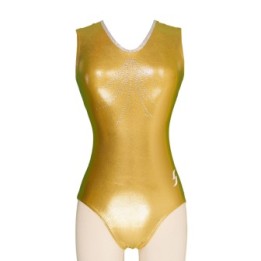
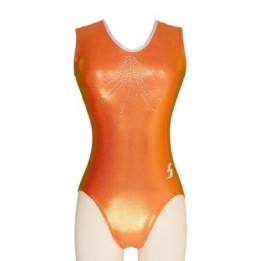
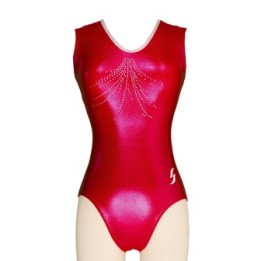
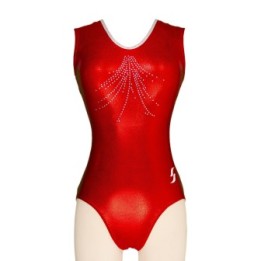
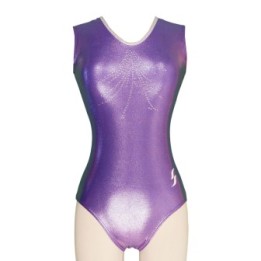
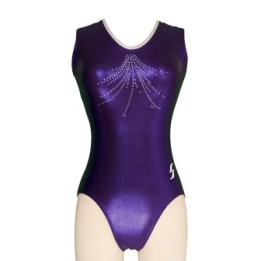
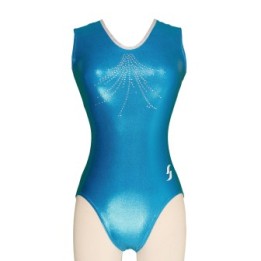
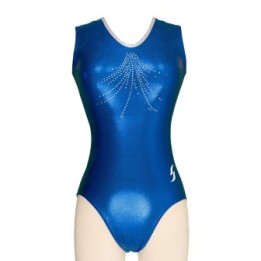
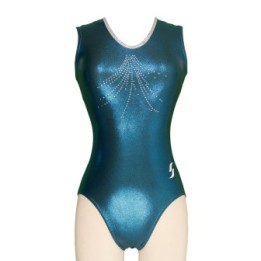
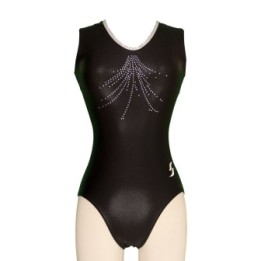
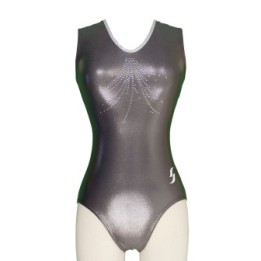
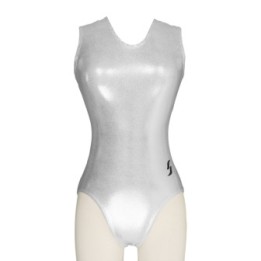
A training leotard is worn several times a week, gets sweaty, rubs against the apparatus and goes in the washing machine very often. So above all, it needs to be comfortable, durable and easy to care for. That is exactly what our training leotards deliver, designed for artistic gymnastics, rhythmic gymnastics and recreational gym.
Like all our styles, they are designed and made in our own workshop. Their sublimation prints are part of the fabric itself: colours stay bright and the design never cracks, even after many washes.
Look for stretchy, durable fabric, a simple cut that stays in place and strong seams. A training leotard should let you do everything without a second thought: jumps, cartwheels, supports and stretches. For younger gymnasts, choose a style that is easy to put on, and consider getting two leotards so you can alternate between washes.
To choose the right size, follow our guide on how to measure for a gymnastics leotard. Our sizes run from 4 to 14 years for children and from 36 to 46 (European sizes) for women. And to find the right leotard for your daughter, for training or competition, read our guide to girls' gymnastics leotards.
When competition season comes round, discover our long-sleeved leotards and sleeveless leotards, more elaborate styles with rhinestones and gradients. The full collection is on our gymnastics leotards page.
For two or more training sessions a week, two leotards are ideal: one can be worn while the other dries. It also stops them from wearing out too quickly.
Yes, nothing prevents it if your club does not require a team leotard. However, many gymnasts prefer a dressier style for competition days.
Machine wash on a delicate cycle at 30 °C, inside out and without fabric softener, then dry flat. Avoid tumble drying, which damages the elastic fibres.