- New
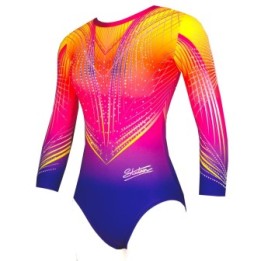
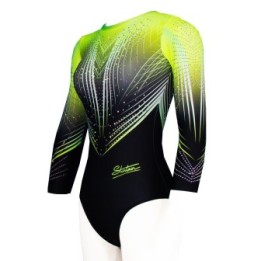
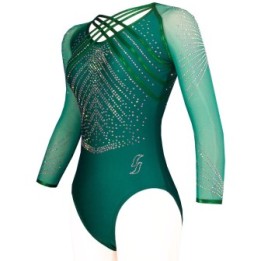
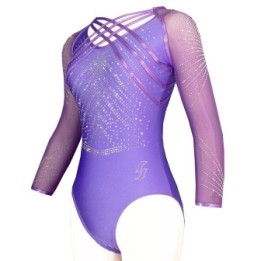
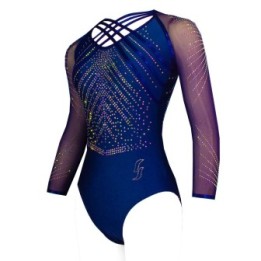
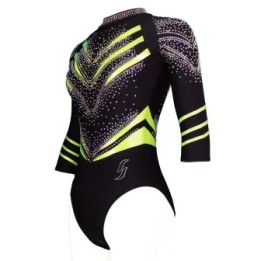
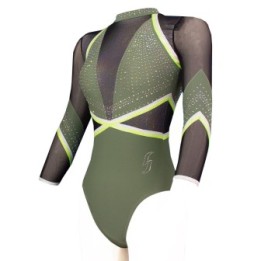
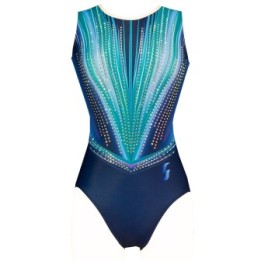
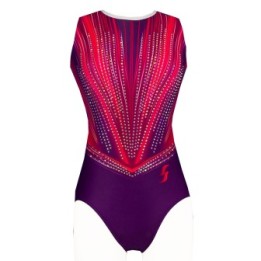
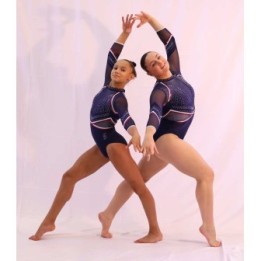
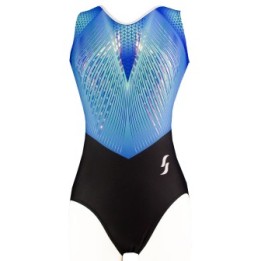
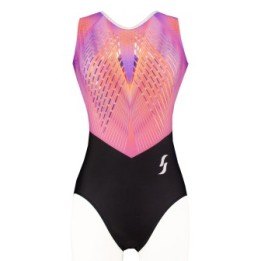
A good gymnastics leotard has to do several things at once: it stays in place through every jump, turn and handstand, it lets the body move freely, and it survives countless training sessions and washes without losing its shape or colour. That is exactly what Startner has been designing and making leotards for in its own workshop since 1968 – for artistic and rhythmic gymnastics.
In this collection you will find leotards for girls from age 4 up to women's size 46: simple designs for everyday training, eye-catching rhinestone leotards for competition, long-sleeved, short-sleeved and sleeveless styles. Every design is created by Startner.
For training, freedom of movement, durability and easy care matter most. A training leotard is worn several times a week and washed often, so sturdy fabrics, simple cuts and prints that stay bright wash after wash are the way to go. Browse our selection of training gymnastics leotards.
For competition, the impression on the judges also counts. A competition leotard highlights the lines of the body, adds sparkle with rhinestones or colour gradients and gives the gymnast confidence when she steps onto the floor. It must still fit as securely as a training leotard – no straps slipping, no leg openings digging in. Our competition leotard buying guide explains what to look for.
Long-sleeved leotards are the classic choice in artistic gymnastics. Long sleeves keep the arms warm in cool gyms, look elegant in competition and protect the skin during floor and apparatus work, which is why many clubs choose them for competitions.
Sleeveless leotards are lighter and cooler. They are especially popular for training, in summer and with gymnasts who want maximum freedom at the shoulders and arms. Short-sleeved and 3/4-sleeve styles offer a middle ground.
Most Startner leotards are made of Lycra, a stretch fabric that follows every movement and springs back into shape afterwards. For special designs we use velvet, which has a rich sheen and a soft feel. Our article Gymnastics fabrics: Lycra and velvet compared explains the differences.
Many of our designs are produced by sublimation printing. The ink bonds with the fibre instead of sitting on top of the fabric, so colours stay vivid, the print never cracks and the fabric keeps all its stretch. Cutting, printing and sewing all take place in our own workshop.
A leotard fits well when it hugs the body without squeezing: the straps stay on the shoulders, the fabric does not wrinkle at the back and the leg openings do not ride up during jumps. Children's sizes are based on age (from 4 to 14 years) and women's sizes run from 36 to 46 (European sizing).
Measure the chest, waist and hips as well as the torso length, then compare your measurements with the size chart on each product page. If your child is between two sizes and still growing, choose the larger one. Our guide How to measure for a gymnastics leotard walks you through it step by step.
Startner has already equipped more than 400 gymnastics clubs – with leotards in club colours, with a logo, or as a complete club collection with matching tracksuits. Find out more on our pages club gymnastics leotards and gymnastics club tracksuits. Boys and men have their own collection: boys' and men's gymnastics leotards.
Use the chest, waist and hip measurements and the torso length, and compare them with the size chart on the product page. The leotard should fit snugly without squeezing. For growing children, the larger size is usually the better choice when in doubt.
A training leotard is designed for durability and frequent washing and usually has a simpler look. A competition leotard is more elaborately decorated, for example with rhinestones or colour gradients, and aims to make a strong impression on the judges. Both must fit securely and allow full freedom of movement.
Turn the leotard inside out and wash it by hand or on a delicate cycle at 30 °C maximum, without fabric softener. Do not tumble dry or iron it; dry it flat. Rhinestones and colours will last much longer.
Leotards in stock are usually dispatched within 2 to 3 working days. Delivery is free on orders over €100.
Yes. You have 14 days from receipt to return an unworn leotard or exchange it for another size.