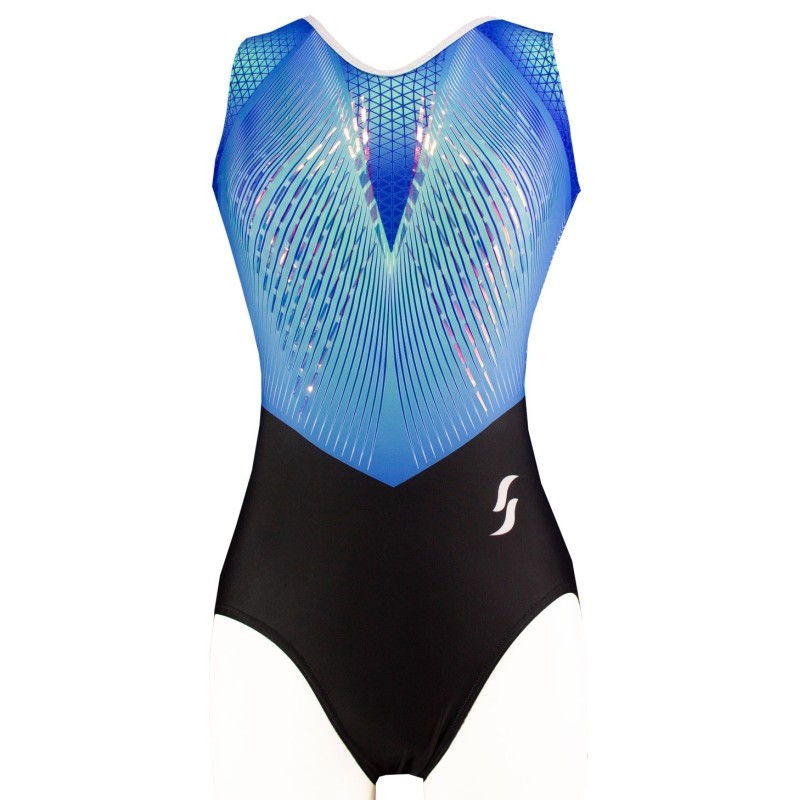
Women's gymnastics leotard size chart: how to measure


Using a women's gymnastics leotard size chart starts with measuring your height, bust, waist and hips correctly. With these figures you can read the chart for the style you want, decide between two sizes in borderline cases and choose the right gymnastics leotard for training, club or competition.
How do you measure correctly for a women's gymnastics leotard?
Choosing gymwear calls for four basic measurements: height, bust, waist and hips. A flexible tape measure and a wall are all you need. The figures are only accurate, however, if your posture and clothing are right while you measure.
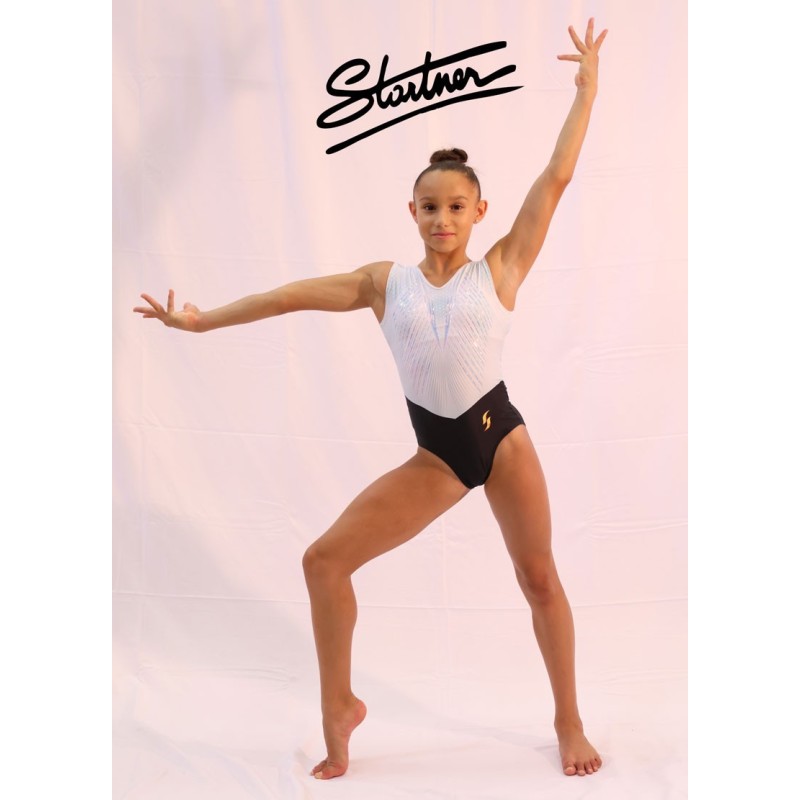
Preparing for accurate measurements
Reliable measurements are taken over underwear or thin, close-fitting clothing. A jumper or tracksuit top would distort every measurement.
Posture matters too: stand up straight and relaxed, without pulling in your stomach or arching your back. The tape should lie against the body without digging in or being deliberately pulled tight.
Measuring height and bust
Height is measured barefoot, with your back straight against a wall, from the top of the head to the soles of the feet, keeping the chin parallel to the floor. In practice, a book laid flat on the head neatly marks the highest point on the wall.
Following the same principle of a calm, upright posture, measure the bust next. Pass the tape under your arms and take it horizontally around the fullest part of the bust.
Measuring waist and hips
The waist is measured at the natural, narrowest part of the torso. The tape runs horizontally and sits loosely, with the stomach relaxed.
To find your natural waist, bend to one side: it is where the torso creases.
A little lower down comes the hip measurement. Take the tape as horizontally as possible around the fullest part of the bottom and hips.
When are additional body measurements needed?
The four basic measurements are enough for most leotards. Some size charts, however, ask for further figures, especially for one-pieces and unitards. What matters is the reference measurement given in the chart for the style you have chosen.
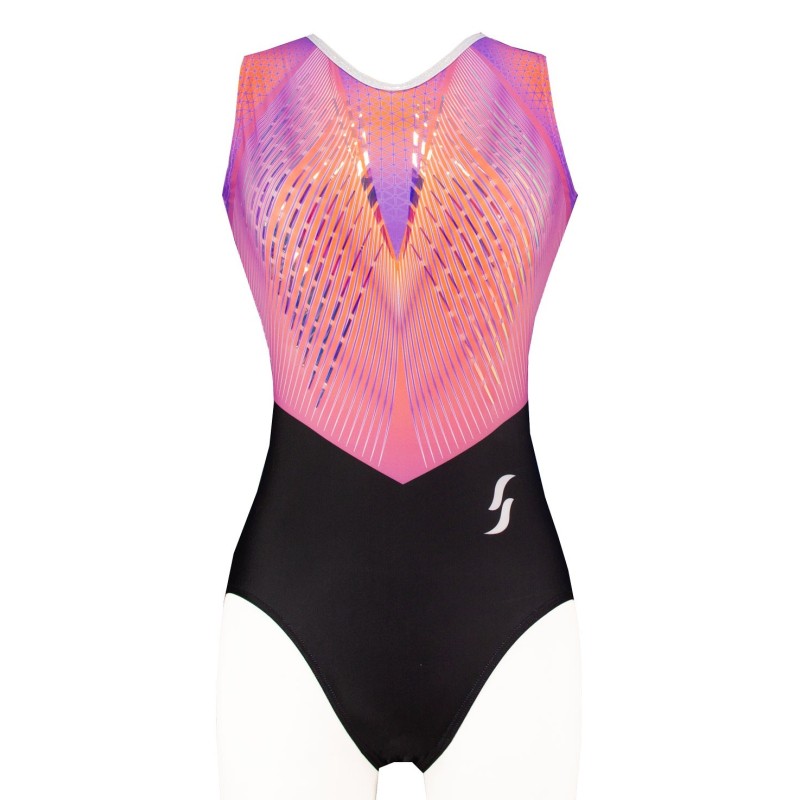
When girth (torso length) matters
Leotard size charts work with different main measurements. The following points will help you make sense of them:
- Height as the main measurement: some charts assign sizes primarily by body height.
- Girth as the main measurement: other charts are based on the measurement over the shoulder and through the crotch.
- Basic measurements for size advice: for the size advice covered here, height, bust, waist and hips are enough; girth is not a standard measuring step.
- Not to be confused: the shoulder-to-crotch measurement is neither height, nor bust, nor a length from neck to crotch.
Girth therefore captures the length of the torso as a closed loop. This length plays an important part in whether a one-piece fits without pulling.
Measuring girth correctly
Start with the tape on one shoulder, run it down the front through the crotch and back up to the starting shoulder. Standing upright without arching your back prevents a measurement that is too short.
The difference shows on a one-piece: a good fit at the bust, waist and hips will not make up for the wrong torso length.
Measuring leg and arm length if needed
For a unitard, the inside leg may also be required. One measuring guide takes it from the crotch to the sole of the foot.
Another guide measures leg length along the inside of the leg from the crotch to the ankle. The method given in the relevant size chart is therefore what counts.
If a chart asks for arm length, bend the arm slightly. Measure along the inside of the arm from the armpit to the wrist.
How do you choose your size from the size chart?
With your measurements to hand, it is time to compare. Gymnastics leotards are close-fitting, so the chart for the style matters more than the size you usually wear in everyday clothing.
Reading the chart for the style
Compare your figures with the manufacturer's leotard size chart, ideally the one for the specific style. The size labels used in leotard size charts also vary from one manufacturer to another:
- A number for height: in some charts the number stands for body height in centimetres.
- A number with an inch mark: in other charts it is a size code, not a measured girth.
- Letter sizes: women's sizes such as a German 42 cannot simply be matched to L or XL.
In practice, this means never carrying over a size from another shop, but always working it out afresh from your own measurements.
Deciding between two sizes
If your bust, waist and hips point to different sizes, the main measurement of the chart in question comes first. For some leotards, bust and height are decisive. Working out an average, on the other hand, does not help.
Measurement ranges can also overlap: one published adult chart gives 134–142 cm girth for S and 139–147 cm for M, valid only for that sizing system. A guide for a slim-cut system recommends the larger size for a figure right in between, which does not necessarily apply to other manufacturers.
Then test the one-piece in motion: arms overhead, deep squat, lunge and side bend. Nothing should pull at the crotch, the leg and neck openings should not shift, and the leotard should stay in place afterwards.
Choosing the right style
Once the size is settled, it comes down to cut and use. Startner makes gymnastics leotards for girls and women in Lycra, with rhinestones, long-sleeved or sleeveless, suitable for both training and competition. For everyday training, club sessions and competition preparation, Startner also offers dedicated training leotards.
Gymnastics clubs looking to kit out a whole group in matching gymwear will find personalised club leotards with logo at Startner. Startner designs this gymwear with each club's own colours, rhinestones and logo.

Women's gymnastics leotards direct from the maker
Got your measurements? Since 1968 we have been making gymwear in Marseille for training, club and competition. Find the right leotard now.
Frequently asked questions
A one-piece that is too short can pull at the crotch, drag the neckline down or ride up during overhead movements. This only shows in motion: arms overhead, deep squat, lunge, side bend and, for long-sleeved styles, bending and straightening the elbows.
Leotards are designed for a snug, close-to-the-body fit. For a deliberately looser fit, one measuring guide recommends going one size up from its chart.
If your measurements conflict or your torso length is unusual, trying on a sample leotard can clarify the fit better than a calculated in-between size.
Share this article: